WAEC Livestock Farming Answers 2026/27
WAEC LIVESTOCK FARMING
NUMBER ONE
(1ai)
(α) Cannibalism:
(i) Avoid overcrowding of birds in the pen.
(ii) Debeak the birds / provide adequate feed and water.
(β) Shell-less eggs:
(i) Feed birds with calcium-rich feed.
(ii) Provide vitamin D supplements / balanced ration.
(γ) Wet litter
(i) Ensure proper ventilation in the poultry house.
(ii) Replace wet litter regularly and repair leaking drinkers.
(1aii)
(i) Deficiency of calcium in feed.
(ii) Lack of vitamin D / disease affecting egg formation.
(1aiii)
Deep litter system.
(1b)
(i) Farm diary: A farm diary is a daily record book in which all farm activities and events are recorded for future reference.
(ii) Balance sheet: A balance sheet is a financial statement showing the assets and liabilities of the farm at a particular time.
(iii) Inventory record: An inventory record is a list showing the quantity and value of farm inputs, equipment and livestock on the farm.
(1c)
(PICK ANY FIVE)
(i) High yield of forage.
(ii) Fast growth rate.
(iii) Palatable to livestock.
(iv) Resistant to pests and diseases.
(v) Ability to withstand drought and grazing.
(vi) Easy to establish and maintain.
(vii) High nutritive value.
(viii) Ability to regrow quickly after cutting or grazing.
09:45
Forwarded
WAEC LIVESTOCK FARMING
NUMBER TWO
(2a)
(PICK ANY FOUR)
(i) Nutrition and quality of feed.
(ii) Age of the sheep.
(iii) Health status/diseases and parasites.
(iv) Breed or heredity.
(v) Proper management practices.
(vi) Environmental conditions/climate.
(vii) Body weight and condition of the sheep.
(2b)
(PICK ANY TWO)
(i) Swine fever (hog cholera).
(ii) Foot and mouth disease.
(iii) African swine fever.
(iv) Swine influenza.
(v) Pseudorabies disease.
(2c)
(PICK ANY TWO)
(i) Stimulate contraction of the uterus during birth.
(ii) Promote milk production and milk let-down.
(iii) Relax the pelvic muscles and cervix for easy delivery.
(iv) Initiate and regulate parturition.
(v) Help in expulsion of the placenta after birth.
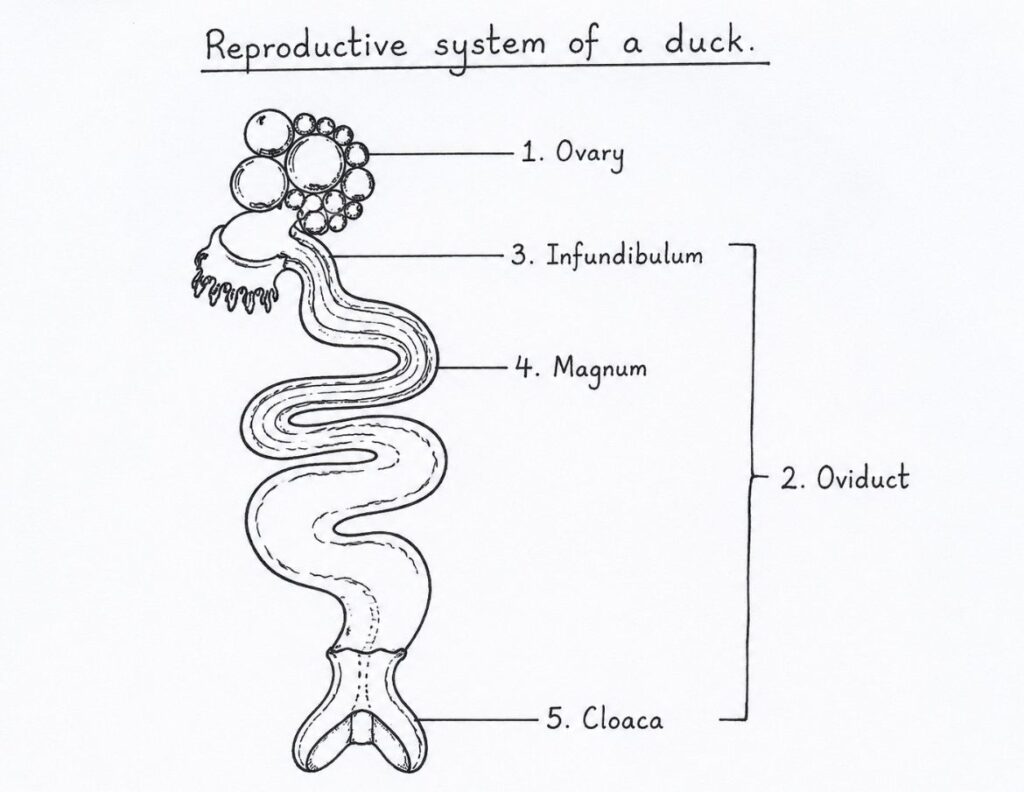
(2d)
Draw the diagram
(2e)
(PICK ANY FIVE)
(i) Enlargement of the udder.
(ii) Swollen vulva with mucus discharge.
(iii) Restlessness and frequent lying down and standing up.
(iv) Relaxation of pelvic ligaments/sunken tail head.
(v) Loss of appetite.
(vi) Isolation from other animals.
(vii) Frequent urination and tail raising.
(viii) Enlargement and reddening of the vulva.
09:48
Forwarded
WAEC LIVESTOCK FARMING
NUMBER TWO
(2a)
(PICK ANY FOUR)
(i) Nutrition and quality of feed.
(ii) Age of the sheep.
(iii) Health status/diseases and parasites.
(iv) Breed or heredity.
(v) Proper management practices.
(vi) Environmental conditions/climate.
(vii) Body weight and condition of the sheep.
(2b)
(PICK ANY TWO)
(i) Swine fever (hog cholera).
(ii) Foot and mouth disease.
(iii) African swine fever.
(iv) Swine influenza.
(v) Pseudorabies disease.
(2c)
(PICK ANY TWO)
(i) Stimulate contraction of the uterus during birth.
(ii) Promote milk production and milk let-down.
(iii) Relax the pelvic muscles and cervix for easy delivery.
(iv) Initiate and regulate parturition.
(v) Help in expulsion of the placenta after birth.
(2d)
Draw the diagram
(2e)
(PICK ANY FIVE)
(i) Enlargement of the udder.
(ii) Swollen vulva with mucus discharge.
(iii) Restlessness and frequent lying down and standing up.
(iv) Relaxation of pelvic ligaments/sunken tail head.
(v) Loss of appetite.
(vi) Isolation from other animals.
(vii) Frequent urination and tail raising.
(viii) Enlargement and reddening of the vulva.
(3a)
(i) Quarantine; The practice of isolating newly purchased animals or those returning from shows for a specific period (usually 21–30 days) before they join the rest of the herd. This prevents the introduction of infectious diseases into a healthy population.
(ii) Culling; The process of identifying and removing unproductive, old, or diseased animals from a herd or flock. This is done to improve the overall quality and profitability of the farm.
(iii) Isolation; The immediate separation of an animal that is already showing clinical signs of a contagious disease from the rest of the healthy animals to prevent the spread of infection.
(3b)
(i) Outbreak of a contagious or infectious disease (to prevent spreading to healthy stock).
(ii) Introduction of new animals to the farm (quarantine period to observe for diseases).
(3c)
(i) Administration of medication or vaccination.
(ii) Castration, dehorning, or tail docking.
(iii) Artificial insemination or pregnancy diagnosis.
(iv) Milking or hoof trimming.
(3d)
(i) Breed or genetic makeup of the goat.
(ii) Quality and quantity of feed/nutrition provided.
(iii) Health status of the goat (presence of diseases or parasites like mastitis).
(iv) Age or parity (number of kiddings) of the doe.
(3e)
(i) Honey
(ii) Beeswax
(ii) Propolis
(iv) Royal jelly
(3a)
(i) Quarantine; The practice of isolating newly purchased animals or those returning from shows for a specific period (usually 21–30 days) before they join the rest of the herd. This prevents the introduction of infectious diseases into a healthy population.
(ii) Culling; The process of identifying and removing unproductive, old, or diseased animals from a herd or flock. This is done to improve the overall quality and profitability of the farm.
(iii) Isolation; The immediate separation of an animal that is already showing clinical signs of a contagious disease from the rest of the healthy animals to prevent the spread of infection.
(3b)
(i) Outbreak of a contagious or infectious disease (to prevent spreading to healthy stock).
(ii) Introduction of new animals to the farm (quarantine period to observe for diseases).
(3c)
(i) Administration of medication or vaccination.
(ii) Castration, dehorning, or tail docking.
(iii) Artificial insemination or pregnancy diagnosis.
(iv) Milking or hoof trimming.
(3d)
(i) Breed or genetic makeup of the goat.
(ii) Quality and quantity of feed/nutrition provided.
(iii) Health status of the goat (presence of diseases or parasites like mastitis).
(iv) Age or parity (number of kiddings) of the doe.
(3e)
(i) Honey
(ii) Beeswax
(ii) Propolis
(iv) Royal jelly
(4ai)
(i) Castration is the surgical removal, destruction, or inactivation of the testes of a male farm animal to prevent reproduction, reduce aggressive behavior, and improve meat quality.
(4aii)
(i) Ensure all surgical tools (such as scalpels or knives) are properly sterilized to prevent infection.
(ii) Apply an appropriate antiseptic or disinfectant to the wound before and after the operation.
(iii) Perform the operation in a clean, dry, and dust-free environment to avoid contamination of the open incision.
(4aiii)
(i) It prevents indiscriminate or unplanned breeding among the herd.
(ii) It makes male animals more docile, less aggressive, and easier to handle or restrain.
(iii) It improves the quality of meat (carcass quality) by increasing fat marbling and eliminating undesirable odors.
(4b)
(i) Early Detection of Illness.
(ii) Monitoring Feed/Water Intake.
(iii) Timely Treatment.
(4ci)
(æ) Debeaking: This is the partial removal of the beak of poultry (especially chickens). It is done to prevent cannibalism, feather pecking, and egg eating within the flock.
(ɓ) Hoof Trimming: The process of clipping and shaping the hooves of livestock (like sheep, goats, or cattle). This prevents overgrowth, which can lead to lameness or infections.
(ƴ) Wound Dressing: The cleaning and application of medication or protective covering to an animal’s injury. This promotes faster healing and prevents fly strike or bacterial infections.
(4cii)
(i) Prevents Lameness: Keeps the animal mobile and comfortable for grazing.
(ii) Prevents Foot Rot: Reducing overgrown areas minimizes the trapping of moisture and bacteria that cause infections.
(iii) Improves Breeding Efficiency: Properly trimmed hooves allow rams to mount more easily and ewes to carry the weight of pregnancy without pain.

2026 WAEC ENGLISH LANGUAGE FREE ANSWERS
2026 Free Physics WAEC Questions And Answers
2026 Free WAEC C.R.S Answers
About Author
